


Conference Report: Silent Republics? Secrecy and Collective Rule in the Early Modern Period
From 26 to 28 March 2026, the international conference “Silent Republics? Secrecy and Collective Rule in the Early Modern Period” took place at the University of Bern. Bringing together scholars from different countries, the conference explored practices of secrecy, silence, and collective rule in early modern republican polities. The programme approached secrecy as a political practice from a comparative perspective, ranging from Venice and Ragusa to the Swiss Confederacy, the Dutch Republic, and North America.
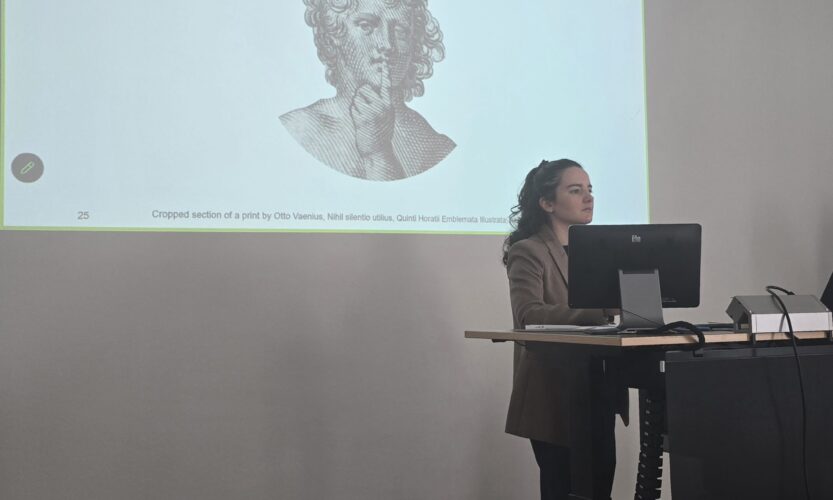
In her paper “Producing Public Secrets: Secret Councils in the Old Swiss Confederacy”, Debora Heim examined the role of secret councils in the Old Swiss Confederacy, highlighting how these institutions mediated between efficient decision-making, political exclusivity, and republican legitimacy.
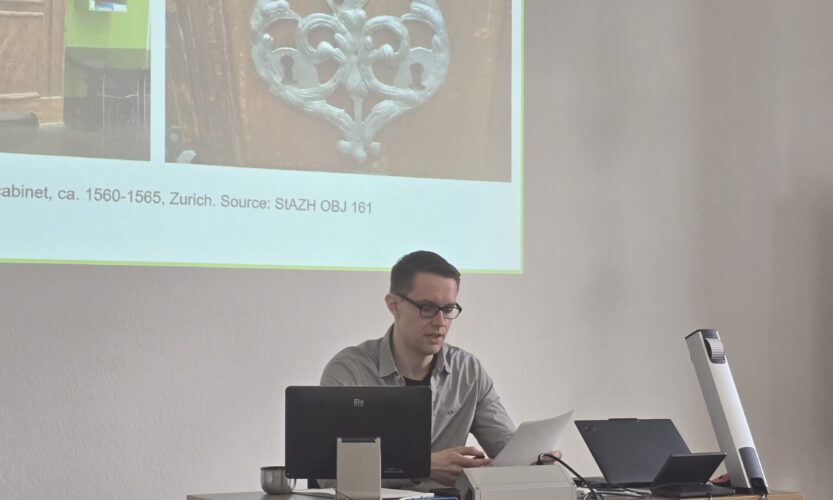
In “Restricted Access as a Means of Secrecy in Early Modern Swiss Archives”, Jan Haugner addressed the relationship between archival organisation and secrecy, focusing on how restricted access functioned as a means of controlling state knowledge.
In his contribution “Keeping Trade Secret: Merchant Practices and Republican Management of Smuggling in Eighteenth-Century Basel”, Noah Businger explored how merchants and republican authorities in eighteenth-century Basel dealt with smuggling, information asymmetries, and economically sensitive knowledge.
The conference generated stimulating discussions on the significance of secrecy for republican forms of rule and opened up new perspectives on the relationship between knowledge, participation, and political power in the early modern period.
A full conference report is currently in preparation and will follow.